
One of the larger land owners in Wheatley is the Howe Trust with 26 acres. 11 acres is given over to allotments which are managed by the Allotment Association. Over the last few years The Howe Trust’s land management strategy for the remaining 15 acres has shifted from a focus on grazing livestock to a focus on rewilding and encouraging biodiversity as much as possible. While there is still livestock grazing in certain areas, the numbers of animals have been reduced to match conservation grazing levels and the overall area of pasture has been reduced. In recent years over 700 trees and hedgeplants were planted and 4 wildlife ponds have been created. This will add to the hedging, woodland, meadow and boggy areas already in existence.
To learn more about the Howe Trust or to find out how you can help please go to https://howetrust.org.uk/ or follow https://www.facebook.com/howetrust/
A significant percentage of the land in UK is in the hands of individual homeowners. What steps can we take to increase wildlife habitat?
- Stop pesticides and herbicides – its pretty obvious really, don’t poison the environment.
- Share your plants with the insects so that they can feed the mammals and birds, reptiles and amphibians. Leaves being eaten is good thing!
- Add water – it can be the equivalent of a puddle or the equivalent of a lake or river, just add water. Rainwater is best for still water but water from a tap is more supportive to wildlife than none at all.
- Add dead stuff – cuttings, branches, dead leaves, it doesn’t matter. Decaying organic matter supports an enormous amount of life. It doesn’t need to be all your cuttings, just enough to be natural mulch around your plants will do your soil and wildlife a world of good.
- Limit mowing – have areas of your lawn at different lengths to support a range of wildlife, some birds like very short grass while wildfowers have a chance to feed pollinators in longer grass. You could mow trimmed paths between islands of longer grass. Ideally, you want at least 3 different lengths of grass, so get creative with you mowing.
- Variety – lots of colours and lots of plant species will support lots of different animal species. Avoid monocultures.
- Soil health – mulch with compoost, bark and cuttings. It will improve your soil structure which will allow invertabrates to and fungi to flourish.
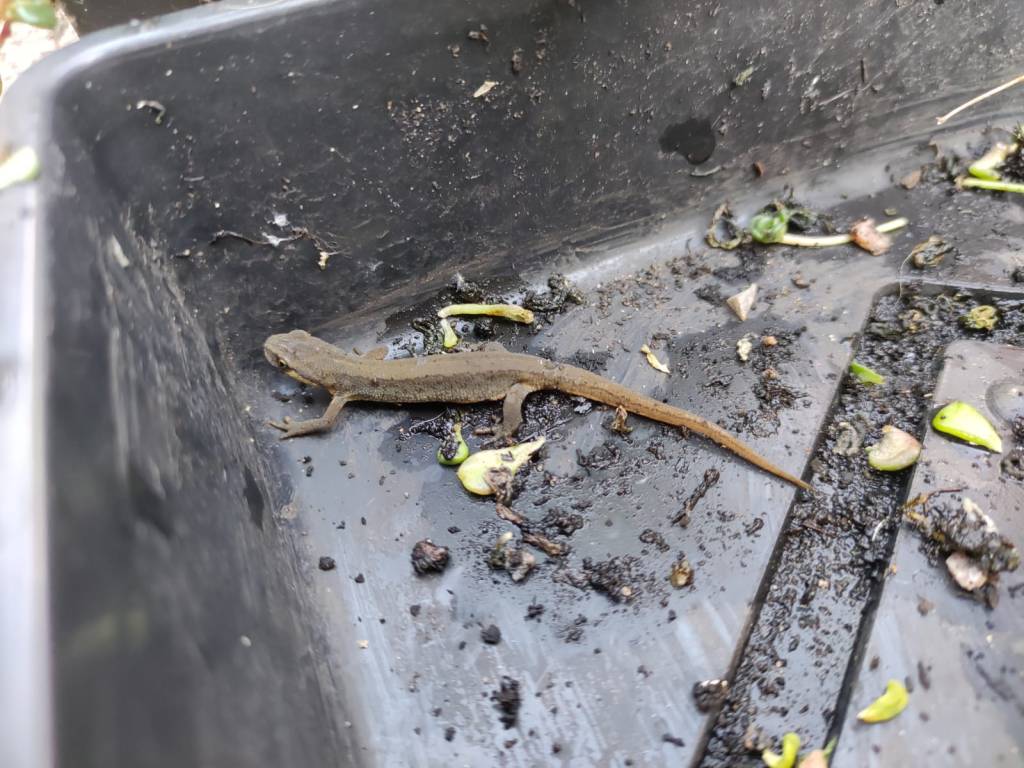
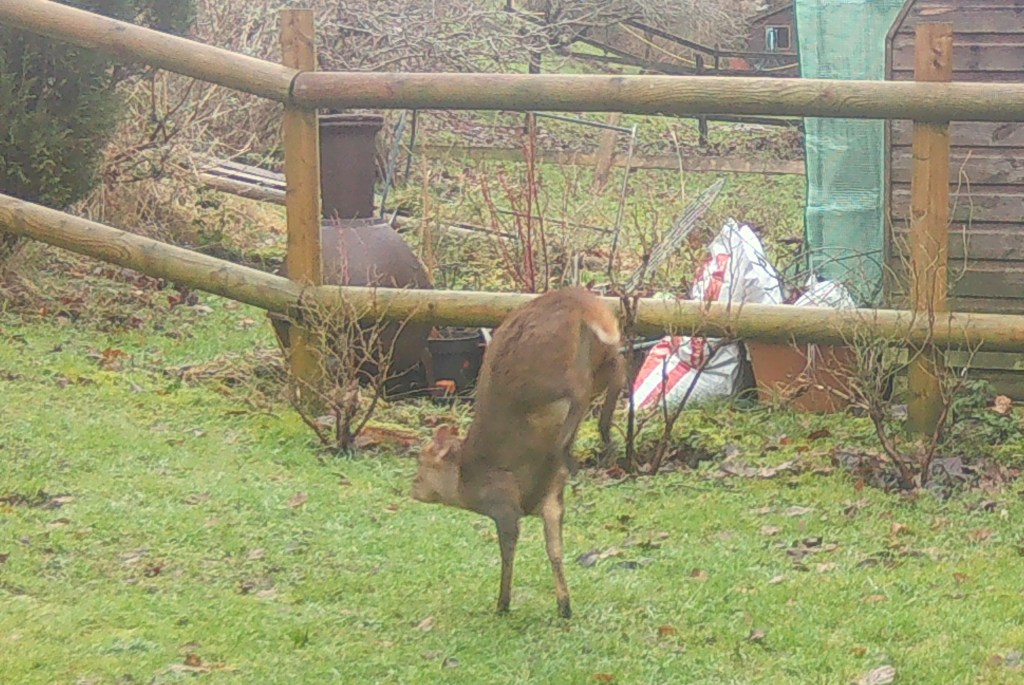
Britain should be teeming with wildlife but many species are under threat, often due to habitat loss.
By protecting, restoring and regenerating species-rich mosaics of habitats, “rewilding” helps reverse biodiversity loss and will bring back the abundance of Britain’s wildlife.
Rewilding presents opportunities for communities to diversify and create more resilient, nature based economies – and reconnects us with the wonders of wild nature, improving physical and mental health.
A growing number of organisations, including the 2022 United Nations Biodiversity Conference of the Parties to the UN Convention on Biological Diversity, are calling for 30% of land and sea to be restored for nature by 2030. And in a recent speech the UK government made a similar commitment.
So what has this to do with Wheatley?
Everything. This is not just a scheme for others to do while we just watch and read about it all.
Sustainable Wheatley encourages everyone who owns a piece of land, however small, to join in this venture by allowing 30% of this land to return to nature.
Updated 07-Mar-2026
 Sustainable Wheatley